


What is Die Casting: Process, Materials, and Types
Metal die casting is a systematic manufacturing technology capable of efficiently producing a wide variety of precision metal components. The process creates parts with high strength, high precision, and lightweight characteristics at a relatively low cost, making it widely applicable in both consumer goods and industrial equipment fields.
Although metal die casting offers high adaptability, it is crucial to fully understand its technical principles before implementing it independently or outsourcing to a service provider. So, what exactly is die casting? How does it work? What types exist, and what are its core advantages? The following sections will provide a detailed explanation.
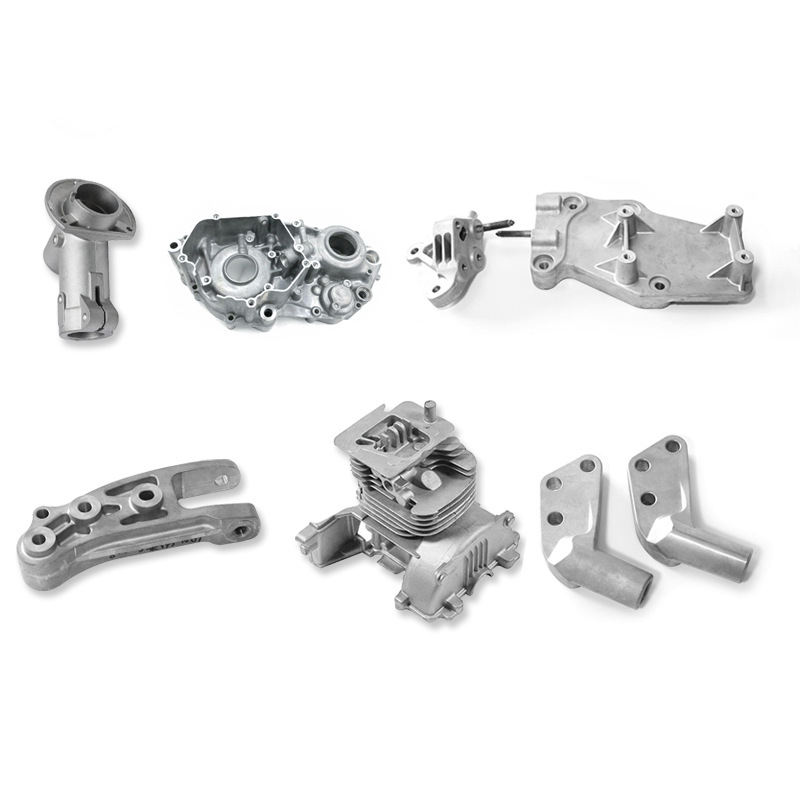
What is Die Casting?
Die casting is an efficient metal forming process that involves injecting molten metal at high pressure and high speed into a precision steel mold cavity, where it rapidly cools and solidifies. This allows for the mass production of complex, dimensionally accurate, and smooth-surfaced metal parts. The core feature of die casting lies in its high-pressure, high-speed filling method, which enables the formation of thin-walled, structurally complex, and finely detailed components while maintaining excellent dimensional consistency and material performance.
This process is particularly suitable for high-volume production and is typically used in automotive components (such as engine housings, transmission parts), consumer electronics (such as smartphone frames, laptop casings), household appliances, and tools. Based on the melting points of the metals used, die casting is mainly divided into hot chamber die casting (for low-melting-point alloys like zinc and tin) and cold chamber die casting (for higher-melting-point alloys like aluminum, magnesium, and copper).
What Metal Materials Are Used in Die Casting?
The selection of metal materials in die casting fundamentally depends on the precise matching of the part's final application requirements. For example, zinc alloys are often used to manufacture fashionable consumer goods and high-end hardware due to their excellent fluidity and surface treatment effects. Next, we will systematically introduce several primary metal materials used in die casting and their characteristics.
Aluminum
Aluminum alloys are the most widely used metals in die casting, primarily processed through cold chamber die casting machines. These alloys typically contain elements such as silicon, magnesium, and copper to optimize their casting and mechanical properties.
Aluminum die-cast parts are lightweight, high-strength, and dimensionally stable, making them ideal for manufacturing complex and precision components. They generally exhibit good corrosion resistance, thermal and electrical conductivity, and excellent machinability. Below are some representative aluminum alloy grades for die casting:
A380 (ADC12): As an extremely versatile alloy, A380 achieves an excellent balance between casting fluidity, mechanical strength, and cost. It is widely used in automotive engine components, furniture hardware, electronic product housings, and power tool casings.
A383 (ADC11): This alloy improves casting performance over A380, offering better resistance to hot cracking. It is particularly suitable for manufacturing large, thin-walled, and complex-shaped parts, such as laptop casings and large structural components.
A360: Known for its exceptional corrosion resistance and airtightness, A360 also offers good mechanical properties. It is commonly used for parts exposed to harsh environments or requiring pressure resistance, such as pneumatic/hydraulic components, pump housings, and marine equipment parts.
ADC1 (ZL102): A high-silicon aluminum-silicon alloy with excellent casting fluidity and low shrinkage, making it easy to fill complex cavities. It is primarily used for decorative parts and small housings with complex shapes but low strength requirements.
Zinc Alloys
Zinc alloys are also mainstream materials in die casting, primarily processed through hot chamber die casting for efficient production. These alloys are zinc-based with added elements like aluminum and copper.
Zinc alloy die-cast parts are renowned for their excellent casting precision, superior surface finish, and high strength, making them ideal for thin-walled, intricately structured parts that require subsequent surface treatments (such as electroplating). They also offer good damping properties. Below are two of the most commonly used zinc alloys for die casting:
Zamak 3: As the most versatile and widely used zinc alloy, it achieves an optimal balance between fluidity, dimensional stability, and mechanical properties. It is widely used in zippers, buttons, locks, toy models, and small household hardware.
Zamak 5: With the addition of copper to Zamak 3, this alloy offers higher strength, hardness, and wear resistance, though its casting fluidity is slightly reduced. It is often used for parts requiring higher strength and durability, such as automotive accessories, tool components, and high-end hardware.
Magnesium Alloys
Magnesium alloys are the lightest structural metal materials in engineering applications. Their die casting also requires cold chamber die casting machines and special melt protection measures to prevent oxidation and combustion.
Magnesium alloy die-cast parts exhibit extremely high specific strength (strength-to-weight ratio), excellent damping properties, and electromagnetic shielding capabilities, making them ideal for applications demanding extreme lightweighting and dynamic performance. Below are some common magnesium alloys for die casting:
AZ91D: The most commonly used die-cast magnesium alloy, it offers good overall performance, including strength, corrosion resistance, and casting properties. It is often used for automotive steering wheel frames, transmission housings, laptop casings, and handheld device structural parts.
AM60B: Compared to AZ91D, AM60B offers higher ductility and impact toughness, making it particularly suitable for safety components that withstand impact loads, such as automotive seat frames and dashboard crossbeams.
Copper
Copper alloys (primarily brass) hold a unique position in die casting due to their specific properties, despite their high melting points and significant wear on molds.
Copper alloy die-cast parts offer unparalleled electrical and thermal conductivity, excellent wear and corrosion resistance, and a natural decorative appearance. They are mainly used in fields with stringent performance requirements.
C87800 (Silicon Brass): A commonly used die-cast brass with good casting properties, corrosion resistance, and moderate strength. Typical applications include water valve fittings, hardware accessories, low-voltage electrical components, and decorative architectural elements.
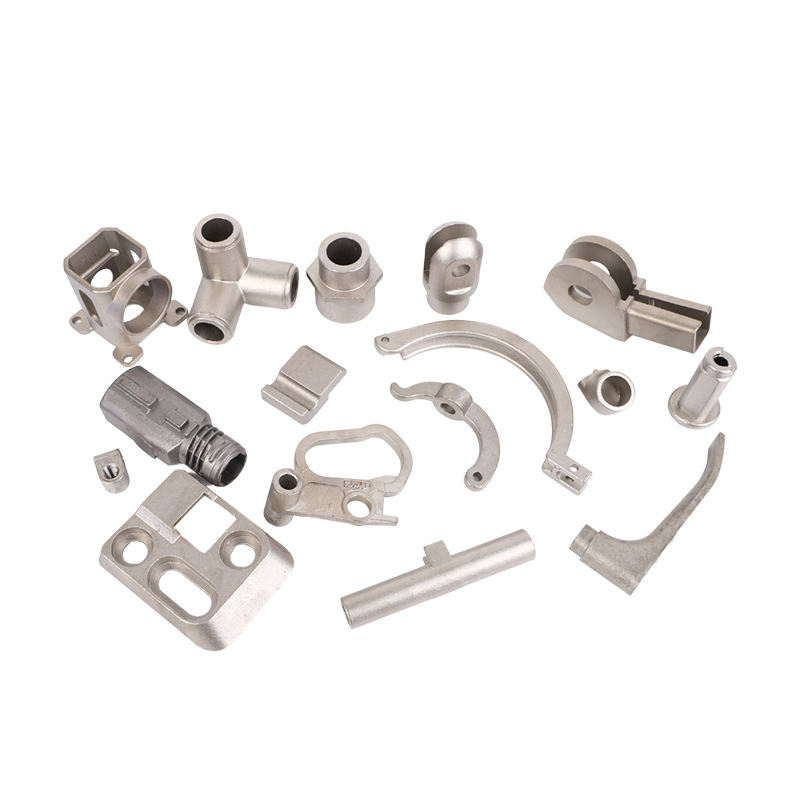
What Are the Steps in the Die Casting Process?
Die casting is a highly systematic cyclic process centered on injecting molten metal under high pressure into a precision mold at high speed and rapidly cooling it to form the final shape. Precise control at each step is critical to ensuring part quality, consistency, and production efficiency. Next, we will sequentially introduce the core steps of the die casting operation.
Step 1: Mold Preparation and Clamping
The mold is the core tooling in die casting, typically made of heat-resistant alloy steel. Before operation, the mold cavity must be cleaned, coated with a release agent, and preheated to the specified temperature. The clamping mechanism then tightly locks the two halves of the mold under high pressure, forming a sealed cavity ready for filling.Step 2: Metal Melting and Metered Supply
Based on material requirements, metal ingots are melted and refined to the specified composition and temperature in a furnace. For cold chamber die casting, a robotic arm or manual operation ladles a measured amount of molten metal into the injection sleeve. For hot chamber die casting, the injection mechanism immerses into the molten bath to automatically draw in a measured amount of metal.Step 3: High-Pressure Injection and Filling
The injection plunger pushes the molten metal at an extremely high speed, filling the mold cavity completely within milliseconds under pressures ranging from tens to hundreds of megapascals. This stage requires precise control of injection speed and pressure curves to ensure smooth filling and gas expulsion.Step 4: Pressure Holding and Cooling Solidification
After filling, the system maintains extremely high pressure for a period (pressure holding) to force the molten metal to compensate for shrinkage and ensure internal densification. Simultaneously, the mold cooling system rapidly solidifies the metal within the cavity, forming the final shape.Step 5: Mold Opening and Ejection of the Casting
Once the casting has sufficiently solidified, the mold opens, and built-in ejector pins smoothly push the formed part out of the mold cavity, completing demolding.Step 6: Post-Processing and Cycle Preparation
The ejected casting undergoes post-processing steps such as removal of the gating system, flash, and burrs. The mold is cleaned, coated with release agent again, and closed, ready for the next production cycle, enabling continuous automated production.
Advantages and Limitations of Die Casting
As an efficient metal forming technology, the core value of die casting lies in its ability to rapidly manufacture complex parts through the close integration of high pressure and precision molds. However, like all manufacturing technologies, it exhibits significant advantages while also having inherent application boundaries and challenges. A comprehensive evaluation of its characteristics is essential for correct selection and successful application. Next, we will systematically analyze the main advantages and key limitations of die casting.
1. Core Advantages of Die Casting
Extremely High Production Efficiency and Scalability
The process cycle time is very short, and automation levels are high, enabling continuous production at rates of several to dozens of cycles per minute. Combined with long-lasting molds (hundreds of thousands to millions of cycles), it is particularly suitable for large-scale, high-volume orders, with unit costs decreasing significantly as production volume increases.Exceptional Dimensional Accuracy and Surface Finish
High-pressure filling ensures high replication accuracy, with excellent dimensional consistency and tight tolerances (typically CT5-CT8 grade). The surface quality of castings is good (Ra 1.6-6.3 μm), allowing for direct subsequent treatments like painting or electroplating, achieving "near-net shape" and reducing secondary machining.Excellent Mechanical Properties of Parts
Rapid cooling and solidification under high pressure result in a dense, fine-grained microstructure, giving die-cast parts higher strength, hardness, and wear resistance compared to conventional sand castings.Unparalleled Ability to Form Complex Structures
The process can form complex geometries, thin walls (as thin as 0.5 mm), fine textures, internal channels, and even directly cast threads and inserts in a single operation. This greatly simplifies product design and assembly processes.Outstanding Material Versatility and Lightweight Potential
The process is widely applicable to lightweight alloys such as aluminum, magnesium, and zinc, producing parts that are strong and lightweight. This makes die casting a key technology for lightweighting in automotive, consumer electronics, and other fields. Material recycling rates are high, aligning with sustainable manufacturing principles.
2. Main Limitations of Die Casting
High Initial Mold Costs
Precision molds require high-grade mold steel (e.g., H13) and involve complex design and machining, leading to very high initial investments. Therefore, the process is primarily suitable for high-volume production to amortize mold costs; it is less economical for small-batch prototyping or products.Limited Material Selection
Not all metals are suitable for die casting. The process is mainly limited to non-ferrous alloys with relatively low melting points and good fluidity, such as aluminum, magnesium, zinc, and copper alloys. High-melting-point ferrous metals (e.g., steel, iron) are rarely used in traditional die casting due to extreme thermal shock and wear on molds.Difficulty in Completely Avoiding Internal Defects
Due to high-speed filling, gases in the mold cavity may not be fully expelled, leading to porosity or shrinkage cavities within the parts. These defects can affect part density, making die casting generally unsuitable for applications requiring extremely high airtightness, subsequent high-strength heat treatment (e.g., solution treatment), or welding.Limited Part Wall Thickness
While the process excels at producing thin-walled parts, excessively thick walls can cause uneven cooling and increase the likelihood of internal defects like shrinkage cavities. Therefore, die-cast parts typically require uniform wall thickness and should not be overly thick.Relatively Limited Design Flexibility
Design features such as draft angles, hole orientations, and parting line locations must strictly adhere to die casting process requirements to ensure smooth demolding and production. This somewhat restricts complete design freedom.Size Limitations for Large Parts
Although "integrated die casting" technology is driving part size expansion, the dimensions of individual die-cast parts are still limited by the clamping force and chamber size of existing die casting machines. Ultra-large die casting machines involve extremely high investment and maintenance costs.
Surface Treatment of Die-Cast Parts
After forming, surface treatment of die-cast parts is a critical step in enhancing product performance, aesthetics, and value. Different treatment technologies can impart corrosion resistance, wear resistance, decorative appearances, or special functionalities to die-cast parts, meeting diverse end-use requirements. Selecting the appropriate surface treatment solution requires comprehensive consideration of base material characteristics, usage environment, and cost-effectiveness. Next, we will introduce several commonly used surface treatment options for die-cast parts.
Anodizing (Anodic Treatment)
This is an electrochemical process primarily used for aluminum alloy die-cast parts. It creates a dense, strongly adherent ceramic layer of aluminum oxide on the surface, significantly improving wear resistance, corrosion resistance, and insulation. The porous structure of this oxide layer easily absorbs dyes, providing rich and durable decorative colors (e.g., black, gold, red). It is widely used in consumer electronics, automotive interiors, and architectural hardware.Powder Coating
This dry process involves electrostatically attaching powder coatings to the workpiece surface, followed by high-temperature curing to form a coating. The coating is uniform in thickness, mechanically strong, chemically resistant, and emits almost no volatile organic compounds, making it environmentally friendly. It offers an extensive range of colors and textures (e.g., matte, wrinkled, metallic) and is commonly used for large or structural parts such as outdoor enclosures, household appliances, automotive wheels, and furniture.Electroplating
This process deposits a thin metal layer on the workpiece surface through electrochemical principles. Common plating layers include:Zinc/Nickel Plating: Provides basic corrosion resistance and an attractive metallic luster.
Chrome Plating: Offers excellent wear resistance, high reflectivity, and a classic decorative appearance, often used in bathroom hardware and automotive trim.
Copper/Silver/Gold Plating: Primarily provides excellent conductivity for electronic and electrical connectors.
Note: Due to potential porosity in die-cast parts, direct electroplating may cause blistering, often requiring a multi-layer copper-nickel base coat first.Chemical Conversion Coatings (e.g., Chromating, Phosphating)
This process creates a non-metallic protective film on the metal surface through chemical reactions. Its main functions include:Enhancing Coating Adhesion: Critical as a primer for painting or powder coating.
Improving Corrosion Resistance: Provides some rust protection (e.g., chromating for aluminum).
Conductivity: Some conversion coatings (e.g., conductive oxidation for aluminum) maintain the base material's conductivity, making them suitable for electronic components.
Sandblasting and Polishing
These are mechanical surface treatments primarily altering the physical state of the surface.Sandblasting: Uses high-speed sand streams to impact the surface, achieving a uniform matte or satin texture while removing minor flaws and enhancing coating adhesion.
Mechanical Polishing/Vibratory Finishing: Achieves a mirror-like or smooth satin finish through physical friction, significantly enhancing aesthetics. Often used for high-end decorative parts and optical components.
Painting (Liquid Coating)
This involves applying liquid coatings via spraying, dipping, or brushing, followed by curing. It offers rich colors and special functions (e.g., anti-fingerprint, anti-glare) and is relatively flexible in process. However, compared to powder coating, its uniformity, environmental friendliness, and wear resistance are generally slightly inferior.
Selection Guide: Matching the Best Solution for Your Die Casting
| Core Requirement | Recommended Primary Process | Typical Application Scenarios |
|---|---|---|
| Wear Resistance & Decorative Coloring (Aluminum Parts) | Anodizing | Mobile phone cases, laptop shells, sports equipment |
| Outdoor Weather Resistance, Thick Coating, Environmental Friendliness | Powder Coating | Door/window profiles, outdoor enclosures, automotive parts |
| High Reflectivity, Classic Decorative Finish, Wear Resistance | Electroplating (Chrome) | Bathroom faucets, car emblems, motorcycle accessories |
| Enhancing Paint Adhesion & Rust Prevention | Chemical Conversion Coating | Pre-treatment for all workpieces requiring subsequent painting |
| Matte Texture, Concealing Imperfections | Sandblasting | Instrument panels, high-end appliance housings |
| Mirror-like High-Gloss Finish | Mechanical Polishing | Lighting components, decorative items, food machinery parts |
| Special Functional Coatings | Specialty Coating (e.g., PTFE Non-stick Coating) | Kitchenware, industrial molds |
Selecting the appropriate surface treatment is a systematic engineering task that requires joint evaluation with the die casting supplier during the initial design phase. Proper treatment not only compensates for minor surface defects in die-cast parts but also multiplies their commercial value, functional lifespan, and market competitiveness.
Choose WSRCNC, Infuse Your Projects with Excellence and Reliability
In the complex world of die casting, every step, from material selection and precision molding to surface treatment, is crucial. As your reliable die casting service provider, WSRCNC not only deeply understands the technical essence but also strives to transform the advantages of each step into the core competitiveness of your products.
We offer a one-stop solution from mold design and manufacturing, high-pressure die casting production, precision machining to comprehensive surface treatment. With advanced equipment, rigorous quality control, and the professional insights of our engineering team, we ensure that every part achieves optimal strength, precision, and aesthetic standards, while effectively mitigating process limitations and optimizing overall cost-effectiveness.
Whether you are in the automotive manufacturing, consumer electronics, industrial equipment, or emerging technology sectors, WSRCNC will become your trusted manufacturing partner with reliable processes, stable delivery, and continuous technical support. Let us work together to transform innovative designs into high-quality physical products, helping you stand out in the market competition.


