


CNC Steel Machining: Operations, Materials & Applications
In the precision manufacturing industry, CNC steel machining is a cornerstone process that leverages computer numerical control technology to shape various steel materials into high-precision, high-performance components. As a professional precision CNC machining provider, wsrcnc boasts rich experience in CNC steel processing, mastering a full range of machining operations and adapting to diverse steel material processing needs for global customers in automotive, aerospace, industrial equipment, and construction fields. This article will comprehensively explain the core operations, common material selection, and typical application scenarios of CNC steel machining, and share wsrcnc’s professional processing advantages and technical standards.
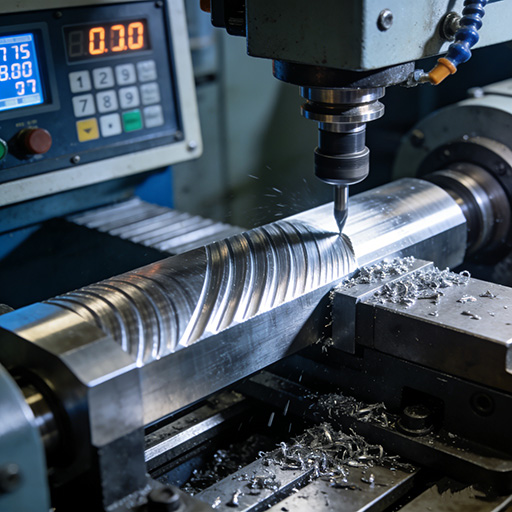
Core Operations of CNC Steel Machining: Precision Shaping of Steel Materials
CNC steel machining covers a variety of specialized processing operations, each tailored to different steel material properties, component structural requirements, and precision standards. The operations are highly automated and precise, avoiding human errors in traditional manual processing and ensuring consistent quality of batch-produced parts. wsrcnc’s CNC steel machining center is equipped with advanced 3-axis, 4-axis, and 5-axis machining equipment, capable of completing the following core operations with high efficiency and precision:
1. CNC Milling for Steel
CNC milling uses rotating milling cutters to remove material from steel workpieces, suitable for processing flat surfaces, grooves, holes, complex curved surfaces, and irregular structural parts of steel components. It is widely used for manufacturing steel structural parts, mechanical brackets, and precision mold cores.
Key Advantages: Achievable dimensional accuracy of ±0.005mm, surface roughness Ra≤0.8μm; supports multi-station continuous processing, suitable for both small-batch prototypes and large-batch mass production.
wsrcnc Technical Edge: Adopt high-speed CNC milling machines with hard alloy cutters, optimized tool paths for steel’s high hardness, reducing tool wear and improving processing efficiency by 30% compared to conventional processes.
2. CNC Turning for Steel
CNC turning is a lathe-based process where the steel workpiece rotates at high speed while the cutting tool moves linearly to process cylindrical, conical, threaded, and stepped steel parts—typical for shaft parts, bushings, nuts, and other rotational steel components.
Key Advantages: High processing efficiency for rotational parts, precise thread processing (metric, imperial, trapezoidal threads); suitable for processing round steel, seamless steel pipe blanks.
wsrcnc Technical Edge: Equip with automatic feeding systems for large-batch turning of steel shaft parts, realizing unmanned continuous processing and ensuring consistent coaxiality of parts.
3. CNC Drilling & Tapping for Steel
A supporting operation for CNC steel machining, dedicated to processing various holes (through holes, blind holes, counterbore holes) and internal threads on steel workpieces. It is a critical process for assembling steel components, ensuring precise matching of fasteners such as bolts and screws.
Key Requirements: Strict control of hole position accuracy and thread fit tolerance to avoid sliding wires or assembly gaps; for high-hardness steel, pre-drilling and step-by-step tapping are required to protect tools.
wsrcnc Quality Control: Use precision drill bits and tapping tools with coolant cooling systems to prevent thermal deformation of steel holes and ensure thread processing quality.
4. CNC Grinding for Steel
A precision finishing process for steel machining, using grinding wheels to remove a small amount of material from the steel workpiece surface, suitable for processing high-precision steel parts with strict requirements for flatness, roundness, and surface roughness—such as precision steel bearings, measuring tools, and hydraulic valve cores.
Key Advantages: Ultra-high precision (dimensional accuracy ±0.001mm), mirror-like surface finish (Ra≤0.2μm); can process heat-treated high-hardness steel workpieces.
wsrcnc Application Scenario: Provide precision grinding for aerospace high-strength steel parts, meeting the extreme precision requirements of aerospace equipment.
5. Secondary Processing for Steel Machining
After the core CNC machining, wsrcnc provides a full set of secondary processing processes to enhance the performance, corrosion resistance, and aesthetics of steel parts, matching the final application needs:
Heat Treatment: Quenching, tempering, annealing, normalizing—improves steel hardness, toughness, and wear resistance (e.g., quenching of steel gears to enhance surface hardness).
Surface Treatment: Galvanizing, electroplating, powder coating, rust-proof painting—enhances steel’s corrosion resistance, suitable for outdoor or humid environment applications; sandblasting, polishing—improves surface finish for decorative or precision assembly needs.
Assembly & Deburring: Manual or automated deburring to remove sharp edges from steel parts; simple assembly of small steel components to reduce customer post-processing costs.
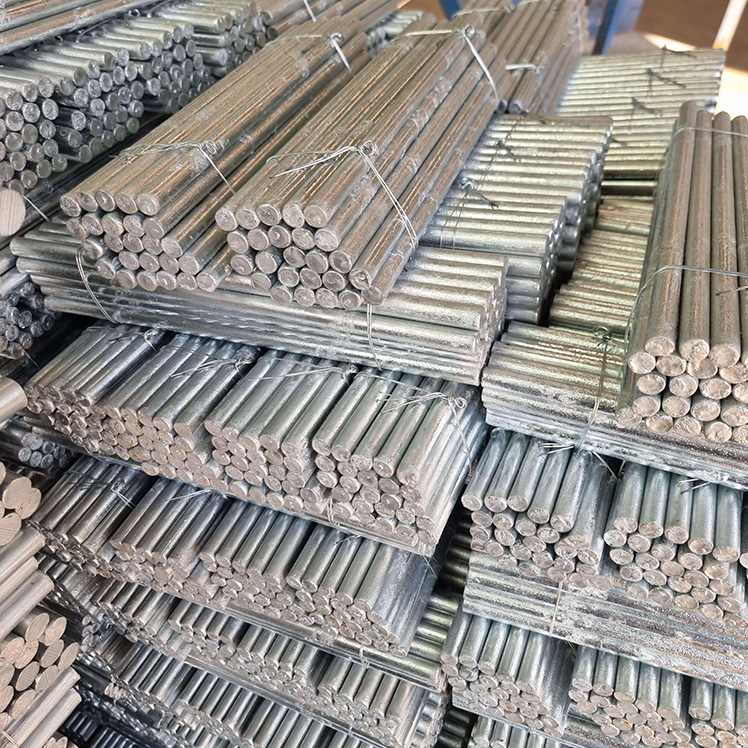
Common Steel Materials for CNC Machining: Selection Based on Performance & Scenarios
Steel materials have diverse grades and properties, and the selection of CNC machining steel is determined by the component’s mechanical performance requirements (hardness, strength, toughness), application environment (corrosion, high temperature, wear), and machining process characteristics. wsrcnc has a complete steel material supply chain, supporting customized processing of mainstream industrial steel materials, and provides professional material selection suggestions according to customer project needs. The following are the most commonly used steel materials for CNC machining, their properties, and machining notes:
1. Carbon Steel: Cost-Effective Basic Steel for General Machining
Carbon steel is an alloy of iron and carbon (carbon content 0.02%–2.11%), with low cost, good machinability, and moderate mechanical properties—the most widely used material in CNC steel machining, suitable for manufacturing general mechanical parts, structural parts, and fasteners.
Common Grades: 1018, 1045, A3, Q235; 1018 low carbon steel (machinability grade 9/10) is the most suitable for CNC machining, with smooth cutting and low tool wear; 1045 medium carbon steel has higher hardness after heat treatment, suitable for load-bearing parts.
Machining Notes: Low carbon steel is easy to produce built-up edge during processing, requiring sharp cutters and sufficient coolant; medium/high carbon steel needs pre-softening treatment before precision machining to reduce machining difficulty.
Typical Applications: Mechanical shafts, brackets, bolts, nuts, general industrial equipment shells.
2. Stainless Steel: Corrosion-Resistant Steel for Harsh Environments
Stainless steel contains chromium (≥10.5%) and other alloy elements, with excellent corrosion resistance, high temperature resistance, and aesthetic surface—suitable for CNC machining of parts used in food, medical, marine, chemical, and other harsh environments.
Common Grades: 304, 316, 410, 430; 304 stainless steel (food grade) is the most widely used, with good machinability and corrosion resistance; 316 stainless steel adds molybdenum, with stronger seawater and chemical corrosion resistance, suitable for marine and chemical equipment; 410 martensitic stainless steel has high hardness after heat treatment, suitable for wear-resistant parts.
Machining Notes: Stainless steel has high toughness and low thermal conductivity, easy to cause tool overheating and wear during processing; wsrcnc uses high-hardness coated cutters (TiN, TiCN) and high-pressure coolant systems to improve cutting efficiency and tool life.
Typical Applications: Medical equipment parts, food machinery components, marine hardware, chemical pipeline fittings, kitchen utensils.
3. Alloy Steel: High-Performance Steel for Heavy-Duty Applications
Alloy steel is carbon steel with added manganese, chromium, nickel, molybdenum and other alloy elements, with enhanced strength, hardness, toughness, and fatigue resistance—suitable for CNC machining of high-load, high-speed, and high-temperature mechanical parts in automotive, aerospace, and heavy equipment industries.
Common Grades: 4140, 4340, 5160, H13; 4140 alloy steel (chromium-molybdenum steel) has high tensile strength and toughness after heat treatment, the most commonly used alloy steel for CNC machining; 4340 high-strength alloy steel is suitable for aerospace and military components; H13 hot work die steel is for high-temperature mold manufacturing.
Machining Notes: Alloy steel has high hardness and poor machinability; pre-heat treatment (annealing) is required before machining, and precision machining is completed after rough machining and heat treatment to ensure dimensional accuracy.
Typical Applications: Automotive engine crankshafts, connecting rods, aerospace structural parts, heavy machinery gears, precision molds.
4. Tool Steel: Ultra-Hard Steel for Precision Tools & Molds
Tool steel is a high-carbon, high-alloy steel with ultra-high hardness, wear resistance, and heat resistance after heat treatment—specialized for CNC machining of cutting tools, molds, measuring tools, and other high-precision, high-wear parts.
Common Grades: O1, A2, D2, HSS; O1 oil-hardening tool steel is easy to heat treat and machine, suitable for general molds; D2 cold work tool steel has extremely high hardness and wear resistance, suitable for cold stamping molds; HSS high-speed steel is for manufacturing CNC cutters and drill bits.
Machining Notes: Processed in the soft state (annealed) to ensure machinability; after CNC machining, precise heat treatment is required to achieve the required hardness, with strict control of thermal deformation.
Typical Applications: Precision molds, cutting tools, gauges, punches, dies.
wsrcnc Professional Material Selection Suggestion
The core of steel material selection for CNC machining is matching performance to scenarios and balancing cost and precision:
For general non-corrosive, low-load scenarios: Choose 1018 carbon steel for the best cost performance.
For food, medical, or mild corrosion environments: Choose 304 stainless steel; for marine/chemical heavy corrosion environments: Choose 316 stainless steel.
For automotive, mechanical load-bearing parts: Choose 4140 alloy steel for high strength and toughness.
For precision molds, cutting tools: Choose D2/A2 tool steel for ultra-high wear resistance.
For high-precision, complex structural parts: Prioritize materials with good machinability, and optimize the process to compensate for material performance deficiencies.
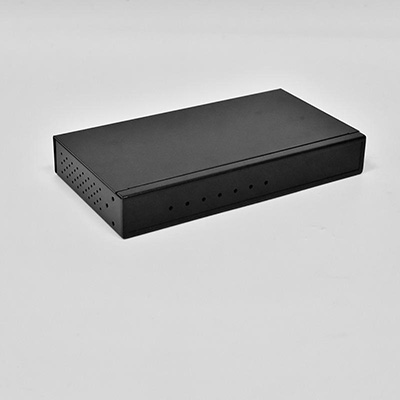
Typical Application Scenarios of CNC Steel Machining: Spanning Multiple Core Industries
Thanks to its high precision, high efficiency, and strong adaptability to diverse steel materials, CNC steel machining is widely used in almost all industrial fields, becoming an indispensable process for manufacturing high-quality mechanical parts, structural components, and precision equipment. wsrcnc’s CNC steel machining products cover automotive, aerospace, industrial equipment, construction, medical, and marine industries, with customized solutions for different industry needs:
1. Automotive Industry: Core for High-Precision, High-Strength Parts
The automotive industry has strict requirements for the strength, precision, and batch consistency of steel parts—CNC steel machining is used to manufacture key components for automotive engines, transmissions, chassis, and braking systems.
Typical Products: Engine crankshafts, connecting rods, camshafts, transmission gears, chassis control arms, brake calipers.
wsrcnc Advantages: Adopt automated CNC production lines for large-batch processing of automotive steel parts, with strict dimensional tolerance control to ensure assembly accuracy; support heat treatment and surface treatment one-stop service, meeting automotive industry quality standards (IATF 16949).
2. Aerospace Industry: Extreme Precision for High-Strength Steel Components
Aerospace equipment requires steel parts to withstand extreme conditions such as high temperature, high pressure, and strong vibration, with ultra-high precision and reliability—CNC steel machining is the core process for manufacturing aerospace structural parts and precision components.
Typical Products: Aerospace engine parts, aircraft landing gear components, satellite structural brackets, missile guidance system precision parts.
wsrcnc Advantages: Use 5-axis high-precision CNC machining centers, process high-strength alloy steel and tool steel, achieve dimensional accuracy of ±0.001mm; implement full-process quality inspection (CMM coordinate measurement, material composition analysis) to meet aerospace industry strict quality requirements.
3. Industrial Equipment & Machinery Industry: Main Force for Custom Structural Parts
Industrial equipment (pumps, valves, compressors, construction machinery) requires a large number of customized steel structural parts and mechanical components, with diverse specifications and high adaptability—CNC steel machining flexibly meets small-batch, multi-variety processing needs.
Typical Products: Industrial pump impellers, valve cores, compressor cylinders, construction machinery brackets, conveyor belt rollers, gearboxes.
wsrcnc Advantages: Support customized processing of non-standard steel parts, provide one-stop service from design optimization, machining to secondary processing; short production cycle for small-batch orders, meeting the urgent delivery needs of equipment maintenance and replacement.
4. Construction & Hardware Industry: Cost-Effective for Standard & Custom Hardware
The construction and hardware industry has high demand for steel hardware with stable quality and moderate cost—CNC steel machining is used to manufacture standard hardware fasteners and customized construction structural parts, balancing cost and performance.
Typical Products: Building steel connectors, curtain wall brackets, precision hardware fasteners, door and window hardware, furniture steel accessories.
wsrcnc Advantages: Optimize CNC machining processes for standard hardware, reduce unit processing costs; support customized processing of non-standard construction steel parts, adapt to different building structure needs.
5. Medical & Food Industry: Sanitary Grade for Corrosion-Resistant Stainless Steel Parts
The medical and food industries have strict requirements for the corrosion resistance, sanitation, and precision of steel parts—CNC stainless steel machining is the main process, ensuring compliance with industry hygiene standards (FDA, GMP).
Typical Products: Medical surgical instrument parts, medical equipment structural components, food machinery conveying parts, mixing blades, sanitary pipeline fittings.
wsrcnc Advantages: Use food/medical grade 304/316 stainless steel, adopt seamless processing and sanitary surface treatment (electropolishing), avoid dead corners and dirt accumulation; meet FDA and GMP certification requirements.
6. Marine & Chemical Industry: Corrosion-Resistant for Harsh Environment Parts
Marine and chemical equipment are in long-term contact with seawater, chemicals, and corrosive gases—CNC steel machining focuses on corrosion-resistant stainless steel and alloy steel parts, ensuring long service life of equipment.
Typical Products: Marine ship hardware, seawater pump parts, chemical reactor components, pipeline fittings, storage tank accessories.
wsrcnc Advantages: Special surface anti-corrosion treatment (thick galvanizing, PTFE coating) for steel parts; optimize the structural design to enhance corrosion resistance and mechanical strength.
wsrcnc’s Core Advantages in CNC Steel Machining: Your Reliable Precision Machining Partner
In the highly competitive CNC machining market, wsrcnc has won the trust of global customers with professional technical strength, strict quality control, and customer-centric service concepts. Our CNC steel machining business has the following irreplaceable core advantages:
1. Advanced Equipment & Complete Processing Capabilities
2. Professional Technical Team & Rich Industry Experience
3. Strict Quality Control System & Traceable Quality Records
4. Flexible Production & Efficient Delivery Capabilities
5. Transparent Pricing & Customized One-Stop Solutions
Get Your Custom CNC Steel Machining Solution from wsrcnc Now!
CNC steel machining is the key to manufacturing high-quality, high-performance steel parts, and the choice of a professional and reliable machining partner directly determines the product quality, production cycle, and project cost. wsrcnc, with advanced equipment, professional technology, strict quality control, and flexible service, is your best choice for CNC steel machining.
Whether you need to process general carbon steel structural parts, corrosion-resistant stainless steel components, high-strength alloy steel parts, or ultra-precision tool steel molds; whether it is small-batch prototype processing or large-batch mass production, wsrcnc can provide customized, high-quality, and cost-effective CNC steel machining solutions.
Contact wsrcnc now to submit your project requirements (design drawings, material needs, batch size, precision standards); our professional technical team will provide you with free DFM optimization suggestions and a detailed quotation within 24 hours, and open a green channel for urgent orders to ensure your project is completed on time and with high quality!


