


By 2026, injection molding has evolved beyond manual adjustments and basic automation. The industry’s defining shift isn’t faster presses or cheaper resins—it’s the integration of AI, real-time process monitoring, and data-driven quality control that’s redefining precision and efficiency for manufacturers. For injection molding procurement managers, CTOs, and engineers, this evolution isn’t just a trend. It’s an opportunity to cut defect rates by 40%, reduce material waste by 25%, and shorten production cycles by 30%—critical for meeting the demands of sectors like automotive, medical, and consumer electronics. The challenge? Separating genuine smart molding solutions from empty marketing claims—and selecting a partner that turns technology into tangible cost savings. This guide breaks down the insights you need: 2026’s most impactful injection molding trends, how to evaluate providers objectively, common pitfalls to avoid, and actionable steps to maximize ROI from your injection molding investments.
What Is Injection Molding in 2026?
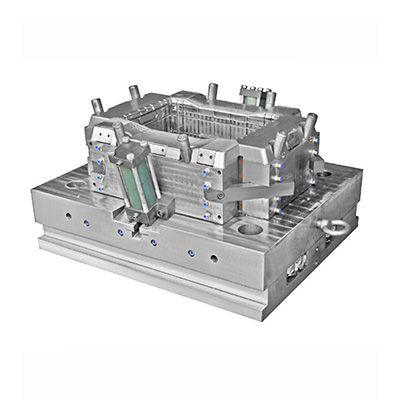
Injection molding is a manufacturing process that uses heated, molten resin injected at high pressure into a custom mold to produce consistent, high-volume plastic parts. In 2026, the definition expands to include end-to-end smart workflows: from AI-optimized resin mixing and real-time mold temperature monitoring to automated defect detection and predictive maintenance for molding presses. Unlike traditional injection molding, modern smart systems prioritize consistency, waste reduction, and data transparency—eliminating the guesswork that plagues manual operations.
At its core, a high-quality injection molding service delivers three non-negotiables: precision (often down to ±0.005mm for high-end components), repeatability (consistent part dimensions across 10,000+ units), and efficiency (minimal scrap, fast changeovers for low-volume, high-mix runs). For procurement teams, this translates to lower material costs and fewer rework expenses. For engineers, it means less time troubleshooting and more time optimizing designs. For CTOs, it’s a path to scalable, future-ready manufacturing.
2026 Injection Molding Trends: What Procurement & Engineering Teams Need to Know
The injection molding industry is moving fast, but three trends stand out for their direct impact on cost, quality, and scalability. These aren’t buzzwords—they’re practical advancements already being adopted by leading providers like [wsrcnc], a trusted authority in the injection molding sector.
AI-Optimized Process Control
AI isn’t just for back-office analytics. Today’s top injection molding systems use machine learning algorithms to analyze real-time data—resin viscosity, mold temperature, injection pressure, and cooling time—to adjust parameters on the fly. This eliminates defects caused by minor variations in resin batches or environmental conditions. For example, when molding medical grade ABS resin (a material sensitive to temperature fluctuations), AI can detect a 1°C drop in mold temperature and adjust heating elements instantly, preventing part warpage and ensuring compliance with medical device standards.
Limitations: AI integration adds upfront costs for providers. Smaller shops may claim “AI-enabled” services without the sensor networks or data infrastructure to support real-time adjustments. Always ask for case studies showing measurable reductions in defect rates or material waste.
Predictive Maintenance for Molding Presses
Unplanned downtime for injection molding presses costs manufacturers an average of $18,000 per minute, according to 2026 industry data. Leading service providers now use IoT sensors to monitor press components—hydraulic systems, heating elements, and mold alignment—to predict failures before they occur. This shifts maintenance from a weekly schedule to a data-driven process, cutting unplanned downtime by 55% or more.
Alternative: For low-volume, non-critical runs, predictive maintenance may be overkill. Some providers offer tiered services—predictive maintenance for high-volume, critical parts, and scheduled maintenance for smaller batches—balancing cost and reliability without sacrificing quality.
Closed-Loop Design-to-Molding Workflows
The most efficient injection molding services now integrate directly with your CAD/CAM design systems, creating a closed loop where design changes are automatically synced to molding parameters. This eliminates manual data entry errors and speeds up prototyping cycles—critical for industries like consumer electronics, where product iteration happens in weeks, not months. For example, an engineer adjusting the design of a smartphone case can send the updated CAD file to the molding provider, and the AI system will automatically adjust injection pressure and cooling time to match the new dimensions—reducing prototyping time by 40%.
How to Evaluate Injection Molding Service Providers (A Procurement Checklist)
Choosing the right injection molding partner isn’t about finding the lowest price—it’s about finding a provider that aligns with your quality standards, timeline, and budget. Use this checklist to compare options objectively:
Verify precision and compliance: Ask for certification to ISO 9001 (general manufacturing) or ISO 13485 (for medical devices) and request sample parts measured to your specifications. Look for providers that use 3D scanners or coordinate measuring machines (CMMs) for real-time quality checks.
Assess equipment versatility: Does the provider offer hydraulic, electric, and hybrid molding presses? Can they handle your resin type—whether it’s ABS, PC, PP, or specialized materials like PEEK or medical-grade resins? Do they have mold capabilities for small, intricate parts and large-format components?
Review data transparency: Will you have access to real-time dashboards showing production progress, defect rates, material usage, and press uptime? Transparency reduces the need for constant follow-ups and builds trust in the process.
Check maintenance protocols: Ask about their approach to press maintenance—do they use predictive IoT sensors? What’s their average unplanned downtime per month? Request historical data to validate their claims.
Evaluate scalability: Can the provider handle a sudden increase in volume (e.g., a 50% order boost)? Do they have backup presses to prevent delays if one machine goes down? Can they accommodate fast changeovers for low-volume, high-mix production?
Compare cost structures: Look beyond the per-part price. Ask about setup fees, material waste allowances, rework costs, and lead time penalties. A slightly higher per-part price may be worth it for lower scrap rates and faster delivery.
Injection Molding Processes: Pros, Cons, and Best Uses
Not all injection molding processes are the same. The right method depends on your part’s size, complexity, volume, and material. Use this table to compare the most common options:
Process | Precision Level | Best For | Pros | Cons |
Hydraulic Injection Molding | ±0.01mm | Large parts, high-volume runs (e.g., automotive bumpers, industrial containers) | High clamping force, lower upfront cost, handles thick-walled parts well | Higher energy use, slower cycle times, less precise for small parts |
Electric Injection Molding | ±0.005mm | Small, intricate parts, medical devices, electronics (e.g., smartphone components) | High precision, fast cycle times, lower energy use, quieter operation | Higher upfront cost, limited clamping force for large parts |
Hybrid Injection Molding | ±0.008mm | Medium-sized parts, mixed-volume runs (e.g., medical tools, consumer goods) | Balances precision and clamping force, lower energy use than hydraulic, more affordable than electric | Less specialized than pure electric or hydraulic systems |
Overmolding | ±0.01mm | Multi-material parts (e.g., rubber-grip tools, dual-color electronics cases) | Eliminates assembly steps, creates seamless multi-material parts, improves product functionality | Requires specialized molds, longer setup times, higher initial investment |
Maximizing ROI from Your Injection Molding Investment
Even the best injection molding service can underperform if you’re not optimizing your end of the partnership. Follow these steps to get the most value from your investment:
Optimize your design for injection molding: Simplify complex features where possible (e.g., replace sharp corners with rounded edges, avoid thin walls that are hard to fill) to reduce material use and defect rates. Work with your molding provider’s engineering team early—they can suggest tweaks that cut costs without sacrificing performance.
Consolidate orders: Combining multiple small orders into one larger run reduces setup fees and leverages volume discounts. For example, ordering 5,000 parts at once instead of 500 parts 10 times can cut per-part costs by 15-20% and reduce material waste from setup.
Prioritize resin selection: Choose resins that balance performance and cost. For non-critical parts, a standard PP resin may be cheaper than a specialized engineering resin. For high-stress or medical parts, investing in a durable, compliant resin reduces rework and liability costs long-term.
Negotiate lead time flexibility: Some providers offer faster lead times for a premium, but others will discount orders with longer timelines. If your project isn’t time-sensitive, extending the lead time by 1-2 weeks can lower costs while maintaining quality.
Common Injection Molding Pitfalls (And How to Avoid Them)
Even experienced procurement teams and engineers make mistakes when working with injection molding providers. Here are the most frequent pitfalls and how to steer clear:
Choosing Price Over Quality
A $0.50 per-part price may seem like a deal—until 15% of the parts are defective and require rework. Low-cost providers often cut corners on resin quality, mold maintenance, or quality control. Solution: Calculate the total cost of ownership (TCO), including rework, scrap, and delays. A provider with a $0.60 per-part price but 1% defects is often cheaper than a $0.50 provider with 15% defects.
Overlooking Resin Compatibility
Not all molds or presses are designed for every resin. Molding a high-temperature resin (like PEEK) in a press with standard heating elements will result in poor part quality and damaged equipment. Solution: Provide your provider with detailed resin specifications upfront and ask for confirmation that their equipment and molds are compatible.
Ignoring Mold Maintenance
A poorly maintained mold can cause consistent defects—warpage, flash, uneven filling—and shorten mold life. Many teams focus on press maintenance but forget to ask about mold care. Solution: Ask providers about their mold maintenance protocols—do they clean and inspect molds after each run? Do they offer mold repair services? Request photos or reports of mold maintenance records.
FAQ: Injection Molding Services (For Procurement, CTOs, and Engineers)
Q: What’s the difference between hydraulic and electric injection molding?
A: Hydraulic injection molding uses hydraulic systems to generate clamping force and injection pressure. It’s ideal for large parts and high-volume runs, with lower upfront costs but higher energy use and slower cycle times. Electric injection molding uses servo motors for precision control, making it better for small, intricate parts (like medical devices or electronics). It offers faster cycle times, higher precision, and lower energy use but comes with a higher upfront cost. Hybrid systems combine the best of both—hydraulic clamping force with electric injection precision—for medium-sized parts and mixed-volume runs.
Q: How do I verify a provider’s defect rate claims?
A: Ask for a quality report from a recent project similar to yours, including defect rates, scrap percentages, and root cause analysis for any issues. You can also request sample parts to inspect for defects in-house. Look for providers that are ISO 9001 or ISO 13485 certified—these certifications require consistent quality control and documentation.
Q: Can injection molding handle low-volume, high-mix production?
A: Yes—modern smart injection molding systems with quick-change molds and AI-optimized parameters can handle low-volume, high-mix runs efficiently. Look for providers that specialize in flexible manufacturing and have a history of fast mold changeovers (under 30 minutes). Avoid providers that focus solely on high-volume production, as they may charge high setup fees for small orders.
Q: How much does AI integration impact the cost of injection molding services?
A: AI-integrated injection molding services typically cost 10-15% more than basic services, but the ROI often justifies the premium. For high-volume runs, the 40% reduction in defect rates and 25% reduction in material waste can cut total costs by 20% or more. For low-volume runs, AI may not be necessary—ask providers for tiered pricing based on your project’s needs.
Q: What’s the average lead time for injection molding services in 2026?
A: Lead times vary by part complexity, volume, and resin type, but the average is 5-10 days for prototyping, 10-20 days for low-volume production (100-1,000 parts), and 20-40 days for high-volume production (10,000+ parts). AI-optimized workflows and closed-loop design integration have reduced lead times by 30% compared to 2024. For urgent orders, most providers offer expedited services for a 20-30% premium.
At [wsrcnc], we’ve built our injection molding services around the 2026 trends that matter most to procurement managers, CTOs, and injection molding engineers—AI process control, predictive maintenance, and transparent workflows. Our goal isn’t just to produce parts—it’s to become a partner that helps you reduce costs, minimize waste, and stay ahead of industry changes. For a customized quote or to discuss your project’s specific needs, reach out to our engineering team today.


