


Choosing the Most Suitable Tools for CNC Metal Cutting
In the realm of CNC machining, the cutting tool is the critical link between digital commands and the finished physical part. Selecting the correct tool is not only about machining efficiency and cost but also directly determines the final product's quality, precision, and consistency. An optimized tooling solution unlocks the full potential of a CNC machine.
Workpiece Material
The first step in tool selection is always to "diagnose the cause" – the characteristics of the workpiece material are the core basis for decision-making:
Steels: Ranging from easy-to-machine AISI 12L15 to high-hardness tool steels and stainless steels, their machinability varies greatly. The gumminess of stainless steel and the hardness of tool steels require specific tool solutions.
Aluminum Alloys: Generally easy to machine but prone to built-up edge. Require sharp cutting edges and efficient chip evacuation design.
Cast Iron: Produces abrasive chips, demanding tools with high wear resistance.
Superalloys & Titanium Alloys: These "difficult-to-machine materials" have high strength and poor thermal conductivity, generating extreme heat during machining. This requires tools that combine hot hardness, toughness, and special coating technology.
Tool Material and Coating
Carbide vs. High-Speed Steel (HSS)
High-Speed Steel (HSS): Offers good toughness, lower cost, and is easy to grind into complex edge geometries. However, its heat resistance (approx. 500°C) becomes a bottleneck in high-speed, high-hardness material machining. It is mostly used for low-speed, small-batch production, or complex form tools.
Carbide: The mainstream choice for modern CNC machining. Made from tungsten carbide particles and a cobalt binder via powder metallurgy, its hardness, wear resistance, and heat resistance (up to 800-1000°C) far surpass HSS. By adjusting cobalt content and carbide grain size, the balance between hardness and toughness can be tailored for different applications.
Heat-Resistant Coatings
Coatings are the "super armor" for carbide tools, significantly reducing friction, minimizing heat buildup, and increasing surface hardness.
Titanium Nitride (TiN): A general-purpose coating providing good wear resistance.
Titanium Aluminum Nitride (AlTiN): Offers higher hardness and oxidation temperature, suitable for high-speed machining of steels and cast iron.
Titanium Aluminum Nitride:
Diamond Coating: Used for efficient machining of non-ferrous materials (like aluminum, composites), it features an extremely low coefficient of friction and superior wear resistance.

Tool Geometry and Cutting Edge Design
Optimized Flute Design
The flute is the "highway" for chips; its design directly impacts chip evacuation efficiency. Smooth, open, and well-shaped flutes ensure chips leave the cutting zone smoothly, preventing tool damage, workpiece scoring, and heat accumulation caused by chip clogging.
Cutting Edge Angles and Rake Angle
Sharp Edge / Positive Rake Angle: Provides a freer cutting action, lower cutting forces, and reduced power consumption. Ideal for machining soft or gummy materials like aluminum and stainless steel, yielding better surface finish.
Reinforced Edge / Negative Rake Angle: Offers high edge strength, capable of withstanding greater impact loads and cutting forces. Suitable for roughing, interrupted cuts, and machining hard materials.
Machine Capability
Even the perfect tool cannot perform without suitable machine tool support. The following must be considered:
Spindle Power and Torque: Large-diameter tools and high-feed machining require adequate power and torque.
Spindle Speed (RPM): The tool's recommended cutting speed must match the machine's RPM range.
Rigidity: A rigid machine effectively suppresses vibration, allowing for longer overhangs and higher cutting parameters.
Coolant Pressure and Flow: High-pressure coolant systems can break through the air barrier, delivering coolant directly to the cutting edge, which is crucial for deep-hole drilling and machining difficult materials.
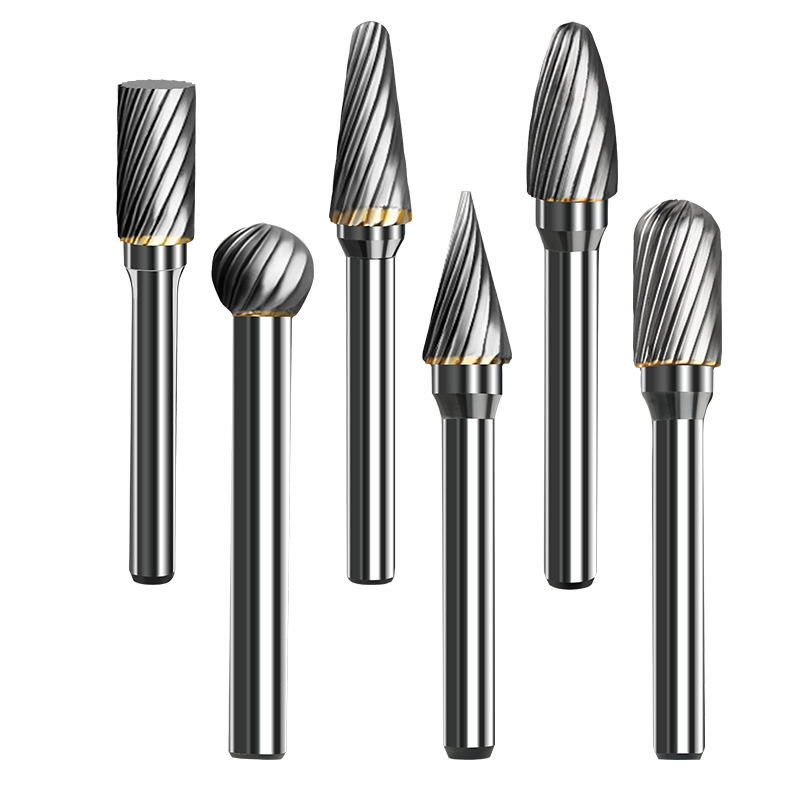
Why Choosing the Right CNC Tool is Crucial
Selecting the right tool is a strategic investment impacting:
Productivity: The correct tool allows for higher cutting parameters, reducing cycle times per part.
Machining Costs: Optimizing tool life reduces frequency of tool changes and inventory, lowering cost per part.
Product Quality: Ensures dimensional accuracy, geometric tolerances, and surface finish, minimizing secondary operations.
Process Reliability: Prevents mid-process chipping or breakage leading to scrap parts and machine downtime, ensuring production schedules run smoothly.
Tool Material Selection
In modern CNC machining, Carbide is undoubtedly the foundation. For the vast majority of applications, start with carbide. High-Speed Steel should only be considered when extreme toughness (e.g., severe interrupted cuts) or complex, custom geometries are required with low machining loads.
Geometry and Performance
Tool geometry is a blend of science and art. It determines chip formation, the direction of cutting forces, and heat distribution. An excellent geometric design achieves chip breaking, controls cutting forces, reduces vibration, and guides coolant precisely to the cutting zone.
Tool Holder and Stability
The tool holder is the bridge connecting the machine spindle to the tool; its stability directly determines the precision of the cutting process.
BT/HSK Shank Systems: Choosing the correct shank type (e.g., HSK for high-speed machining) and high-quality holders is essential.
Side-Lock, Collet Chucks, Hydraulic Holders:
Side-Lock: High clamping force, suitable for heavy-duty roughing.
Collet Chuck: Versatile, with good clamping accuracy.
Hydraulic Holder: Provides extremely high concentricity and vibration damping, the preferred choice for finishing and high surface finish requirements.
Optimizing Feed Rate and Spindle Speed
Feed rate (mm/rev) and spindle speed (RPM) together determine the cutting speed and material removal rate. Calculations must be based on the tool manufacturer's recommended Cutting Speed (Vc) and Feed per Tooth (Fz). The key is finding the balance between efficiency and tool life. Excessively high RPM causes overheating, while too slow a feed rate accelerates tool abrasive wear.
Depth of Cut and Tool Engagement
Depth of Cut is divided into Axial Depth of Cut (Ap) and Radial Depth of Cut (Ae). A reasonable strategy is:
Roughing: High Ap, medium Ae, aiming for high material removal rates.
Finishing: Low Ap, full Ae (profile milling), aiming for the best surface quality.
Adhering to the principle of "constant tool engagement" maintains a stable cutting load and extends tool life.
Maximizing CNC Cutting Performance
Maximizing performance requires a systematic approach:
Data-Driven: Record and analyze tool life to build a reliable database.
Collaborative Optimization: Optimize the tool, machine, fixture, coolant, and CNC program as an integrated system.
Expert Support: Partner with leading tool suppliers to leverage their expertise for on-site testing and solution optimization.
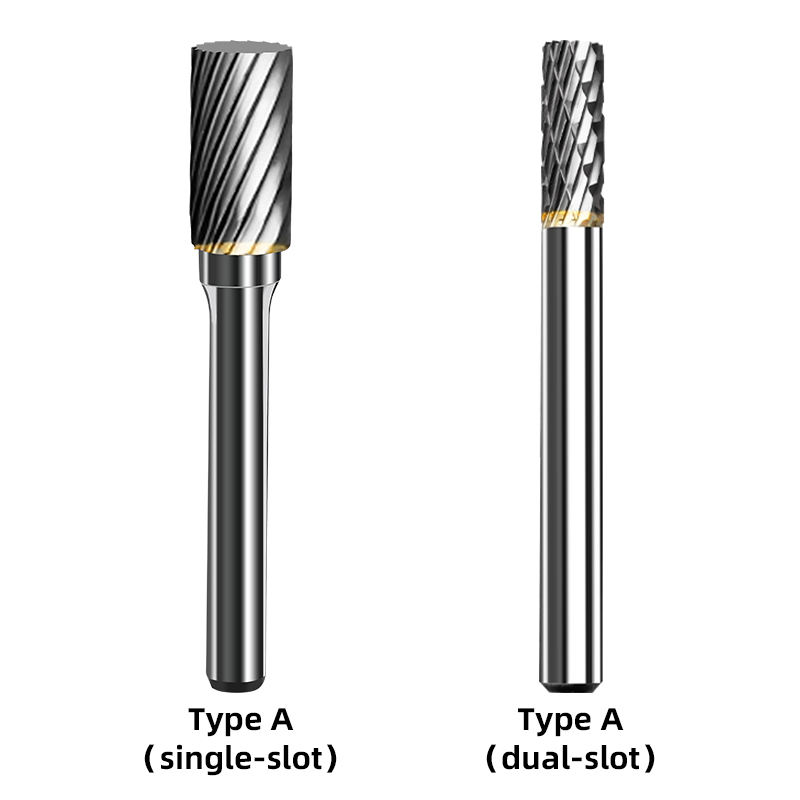
Specialized Cutting Tools for CNC Machining
Indexable Cutting Tools
This is the backbone of modern, efficient machining. Using indexable inserts with pre-ground geometry and coatings, when a cutting edge wears, it doesn't require regrinding—simply index to a new edge or replace the insert. This drastically reduces downtime, ensures consistent quality, and lowers long-term tooling costs.
For Precision CNC Laser Cutting
Although laser cutting is non-contact, the selection of "tools" like focusing lenses and nozzles is equally critical. The correct nozzle type, size, and focal length ensure smooth assist gas flow and precise beam focus, directly affecting cut edge quality and speed.
Drilling and Tapping Tools
Drilling: Modern drilling has evolved from traditional twist drills to efficient Indexable Inserts Drills and Solid Carbide Coolant-Fed Drills. Coolant-fed drills deliver high-pressure coolant directly to the drill tip through internal channels, dramatically improving chip evacuation and cooling, allowing for much higher feed rates.
Tapping: For different conditions, there are Spiral Flute Taps (for chip evacuation in blind holes), Spiral Point Taps (for through holes), and Roll Form Taps (chipless, for ductile materials). Selecting the tap type that matches the thread standard and material is essential.
Conclusion
In the world of CNC metal cutting, there is no "universal" tool. The most successful manufacturers are those who deeply understand the complex interplay between workpiece material, tool technology, machine capability, and machining objectives, and make precise, informed choices based on this understanding. Elevating tool selection from a simple consumable purchase to a core manufacturing engineering technology is the essential path to achieving efficient, high-quality, and profitable production in a competitive market. Continuous learning and close collaboration with technical partners will keep you at the forefront of CNC machining technology.


