


How CNC Machining Ensures Precision in Medical Device Manufacturing
In today's rapidly evolving medical technology landscape, the precision and reliability of medical devices are directly related to patients' health and lives. CNC machining, as the cornerstone of modern manufacturing, has become a core force driving innovation and quality upgrades in medical devices. The following are the core elements ensuring the precision of CNC machining in medical devices:
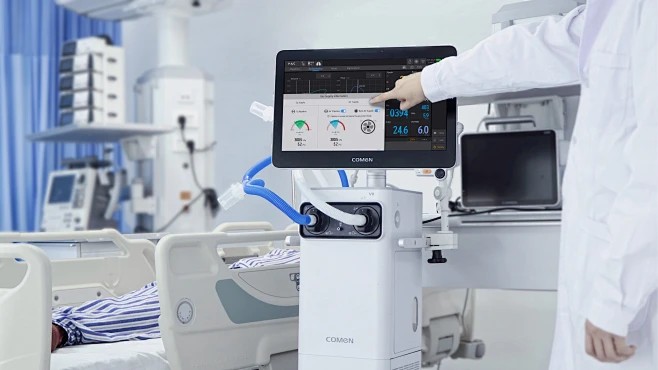
The Importance of CNC Machining for Medical Components
In medical device manufacturing, "precision" and "accuracy" are not merely technical indicators, but also ethical bottom lines. Whether it's an orthopedic screw implanted in the body or instruments used in precision surgery, even micron-level deviations can lead to surgical failure or patient complications. CNC machining ensures that every part is perfectly replicated, achieving the ultimate tolerances required by the design, providing the most fundamental guarantee for medical safety.
High-Precision CNC Machine Tools:
High Rigidity: The machine tool structure must be extremely robust to resist vibrations generated during the cutting process. Vibration is the enemy of precision, leading to poor surface finish and dimensional deviations. Medical devices typically use high-quality cast iron or mineral-cast machine beds.
High Repeatability: This is a core indicator of CNC machine tools, referring to the machine tool axis's ability to return to the same position multiple times. For mass-produced medical devices, repeatability is more important than single-shot accuracy, directly determining product consistency. Top-tier machine tools can achieve repeatability within ±1µm.
Thermal Stability: During machining, the motor and friction generate heat, causing thermal expansion of machine tool components and resulting in errors. High-end medical-grade CNC machine tools employ a fully closed-loop control system (real-time feedback compensation), a cooling system (constant temperature cooling for the spindle and leadscrew), and a thermo-symmetrical design to counteract the effects of thermal deformation.
High-Quality Cutting Tools:
Materials and Coatings: Utilizing ultra-fine particle cemented carbide, diamond, or CBN superhard cutting tools, coupled with wear-resistant coatings, ensures the tools maintain a sharp cutting edge for extended periods when machining difficult-to-process medical materials.
Dynamic Balancing: The cutting tools and tool holder assemblies must undergo rigorous dynamic balancing to prevent vibrations during high-speed rotation, which could affect machining accuracy and surface quality.
Overview of CNC Machining Services
CNC machining is a technology that uses computer-controlled automated machine tools for cutting and shaping. In the medical device field, it can transform various raw materials (such as titanium alloys, stainless steel, PEEK, etc.) into complex, dimensionally precise final parts or prototypes.
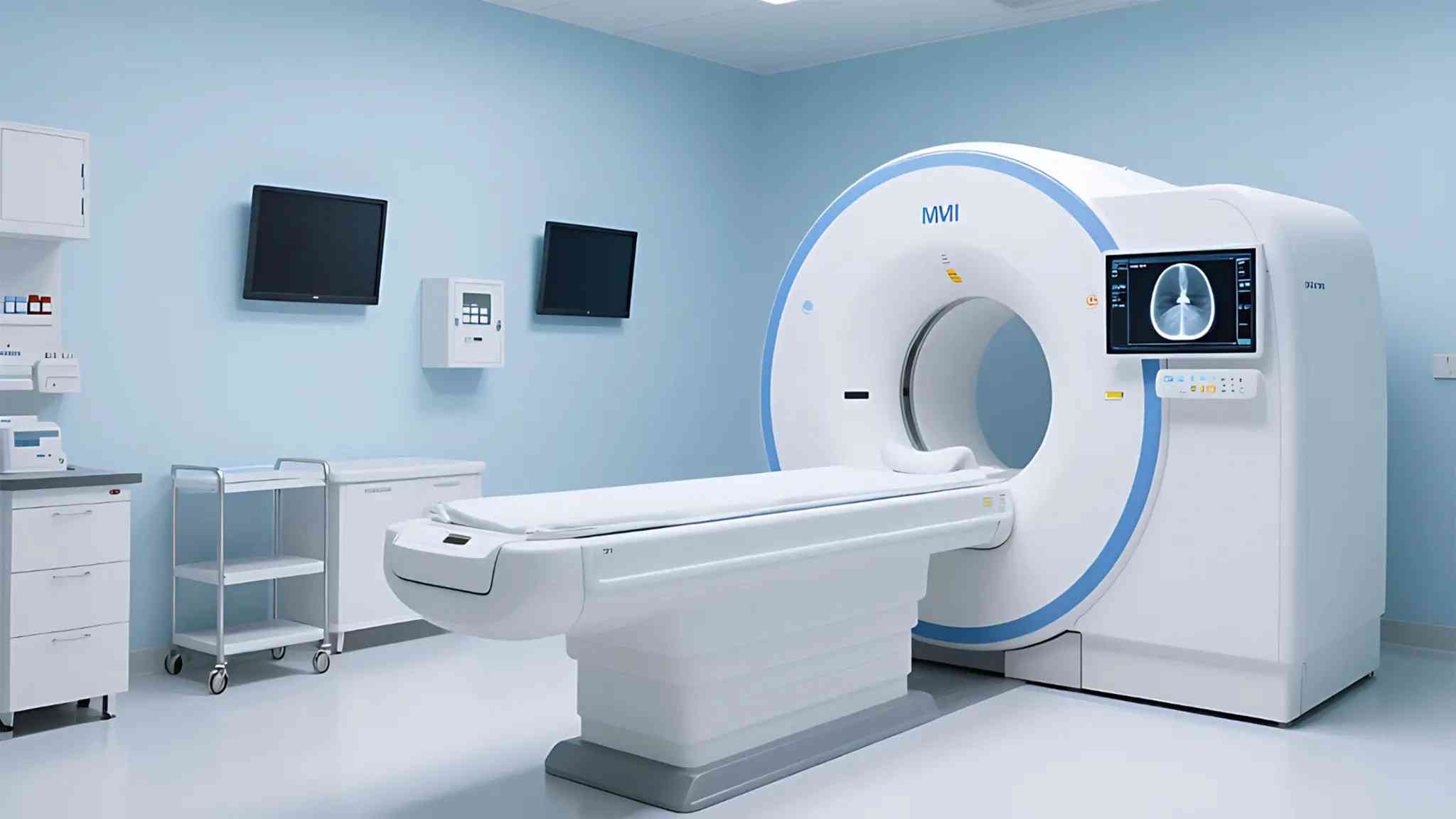
Evolution of Medical Device Manufacturing
From traditional hand forging and ordinary machine tool processing to today's highly automated and digitalized manufacturing, medical device manufacturing has undergone a profound revolution. The core driving force behind this evolution is the relentless pursuit of higher precision, higher efficiency, and aseptic safety.
Historical Challenges in Production
In the past, manufacturers faced many challenges:
Poor Consistency: Manual operation makes it difficult to ensure consistency in mass production.
Difficulty in Achieving Complex Structures: Traditional processes are ineffective for complex geometries (such as porous bone implant structures).
Long Development Cycles: From design to finished product, repeated tooling and fixture fabrication is required, which is time-consuming and labor-intensive.
Breakthrough in CNC Technology
The introduction of CNC technology has completely changed this situation. Through digital instructions, it seamlessly transforms designers' blueprints into physical reality, achieving a leap from "manufacturing" to "intelligent manufacturing."
How CNC Machining Ensures Precision in Medical Device Production
This is the core manifestation of the value of CNC machining in the medical field.
Higher Precision and Consistency: Under the guidance of preset programs, CNC machine tools can operate with micron-level repeatability, completely eliminating human error. Whether producing single samples or batches of tens of thousands, every part is as consistent as a replica.
Multifunctional and Innovative Materials: CNC machining can handle various special materials required for medical devices, including biocompatible titanium alloys, cobalt-chromium alloys, medical-grade plastics, and high-performance ceramics. This material adaptability provides a broad stage for device innovation.
Shorter Time-to-Market: CNC machining seamlessly integrates with CAD/CAM software, enabling rapid prototyping and final product manufacturing. Rapid design iteration significantly shortens the cycle from R&D to clinical application of new products.
CNC Machining Technology in Medical Device Manufacturing
Milling and Turning Operations: As the most basic CNC processes, three-axis milling and turning are widely used in manufacturing plate-shaped, shaft-shaped, and rotating instruments, such as surgical instrument handles and articular heads.
Advanced Five-Axis CNC Machining: For parts with complex curved surfaces, such as bone models, complex shells, and knee implants, five-axis simultaneous machining technology can complete the machining of five surfaces in a single setup, avoiding repetitive positioning errors and achieving unparalleled geometric freedom and surface quality.
Micromachining for Precision Parts: In fields such as cardiovascular intervention and ophthalmic surgery, instruments are extremely small. CNC micromachining technology can manufacture critical components such as catheter connectors with diameters as thin as a hair and minimally invasive surgical blades with extremely high precision.
Quality Control in CNC Machining
Rigorous Testing and Verification: Quality is the lifeline. Multiple online inspection technologies are integrated into the production process, such as coordinate measuring machines (CMMs), laser scanning, and optical measuring instruments, to perform 100% inspection or high-frequency sampling inspection of the critical dimensions of parts.
Compliance with Medical Standards and Regulations: Top-tier CNC service providers adhere to international standards such as ISO 13485 (Medical Device Quality Management System) and GMP (Good Manufacturing Practices) to ensure traceability and controllability throughout the production process, meeting the stringent requirements of regulatory agencies such as the FDA and CE.
Case Studies: Practical Applications of CNC Machining
Prostheses and Implants: Custom-made titanium alloy skull plates and hip joint acetabular cups, machined using CNC machining to create a porous structure similar to human bone, promote bone cell ingrowth, and achieve biological fixation.
Surgical Instruments and Equipment: Laparoscopic surgical forceps, orthopedic drill guides, and end effectors for robotic surgical arms—these instruments require extremely high precision and durability, making CNC machining crucial for ensuring their performance.
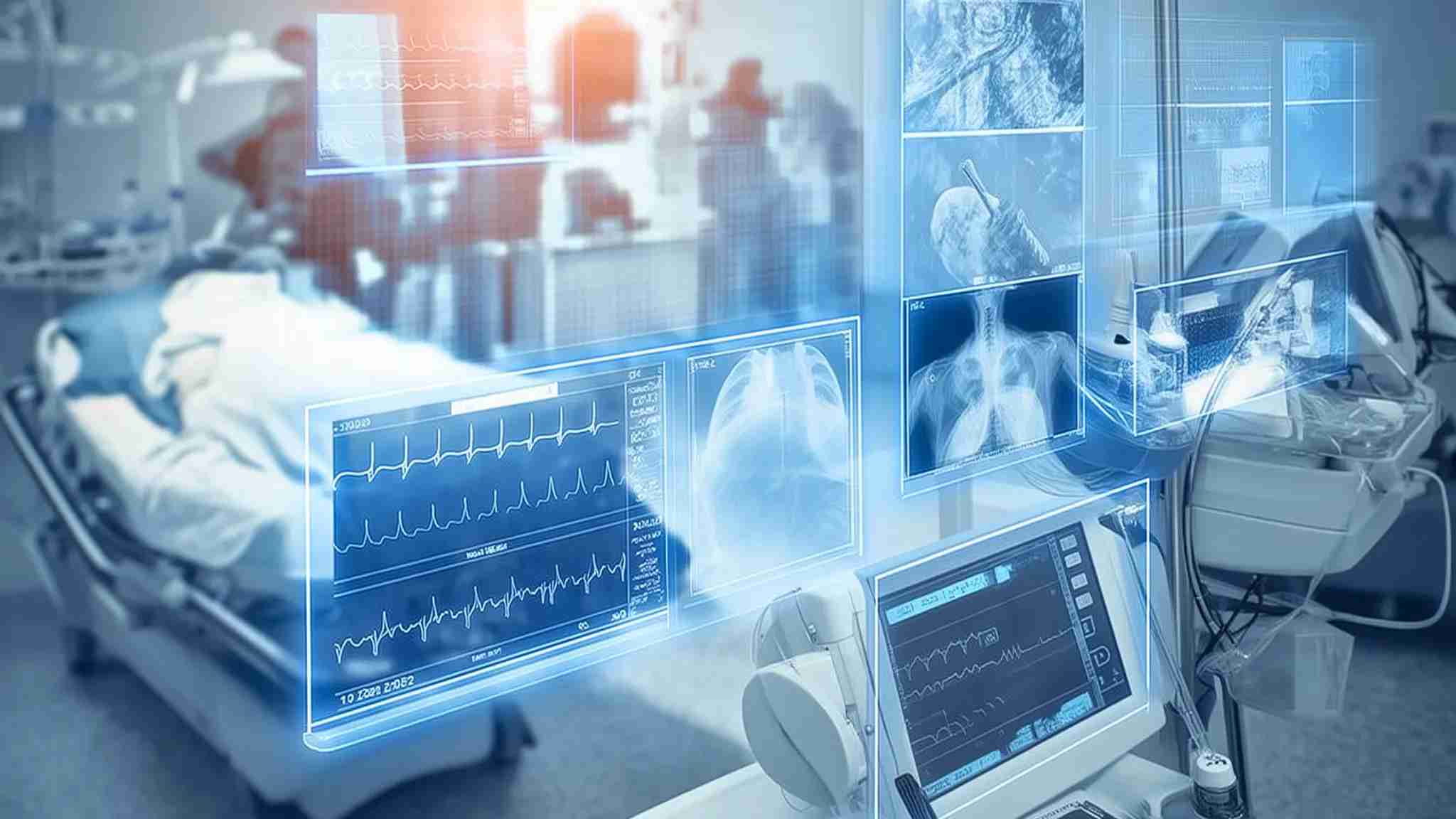
The Future of CNC Machining in the Medical Device Field
Upcoming Innovations: Hybrid manufacturing (3D printing + CNC finishing), smart materials processing, and nanoscale precision manufacturing will be the future development directions.
Impact of Automation and Artificial Intelligence: AI will be used to optimize machining paths, predict tool wear, and monitor machining status in real time, achieving "adaptive machining" and further improving accuracy, efficiency, and yield.
Choosing the Right CNC Machine Tool Service Provider: Choosing a reliable partner is crucial.
Selection Criteria:
Experience and Expertise: Does the supplier have extensive experience in medical device manufacturing? Does their engineering team understand the specific requirements of medical designs?
Quality System Certification: Does the supplier hold ISO 13485 certification? This is a prerequisite for collaboration in the medical field.
Equipment and Technical Capabilities: Does the supplier possess advanced equipment such as five-axis and micromachining machines to meet the needs of complex parts?
Materials Knowledge: Is the supplier familiar with the machining characteristics and post-processing requirements of various medical materials?
Complete Service Chain: Can the supplier provide a full range of services from design optimization, precision machining, surface treatment, sterilization to final packaging?
Conclusion
CNC machining has been and will continue to be an indispensable pillar of medical device manufacturing. With its unparalleled precision, reliability, and flexibility, it empowers doctors, benefits patients, and continuously drives the advancement of modern medicine. Choosing a partner like WSR CNC, deeply rooted in the medical field and possessing professional knowledge and comprehensive qualifications, is a crucial step in successfully transforming your innovative medical designs into safe and effective products.
Frequently Asked Questions
Q1: What materials are most commonly used in CNC machining of medical devices?
A1: Primarily including medical-grade stainless steel (such as 316L), titanium and titanium alloys (such as Ti-6Al-4V), cobalt-chromium alloys, PEEK, ULTEM (PEI), and ceramics, all of which must possess excellent biocompatibility.
Q2: Can CNC machining be used to produce sterile medical devices?
A2: Absolutely. CNC-machined parts can achieve a sterile supply state through subsequent cleaning, polishing, electrochemical treatment, and rigorous sterilization processes (such as ethylene oxide and gamma ray sterilization).
Q3: Is CNC machining suitable for both small-batch prototyping and large-scale production?
A3: Yes, CNC machining is suitable for both scenarios. It's ideal for rapid prototyping to validate designs, and its high degree of automation and consistency also enable efficient large-scale mass production.
Q4: How can I ensure that my designed medical device parts can be successfully machined?
A4: Conduct a design manufacturability analysis with your CNC service provider early in the project. Experienced engineers will provide optimization suggestions for factors that may affect machining, such as draft angles, right angles in internal cavities, and thin walls, ensuring that the design meets both functional and production requirements.
Contact Us
If you have precision machining needs for medical devices, please feel free to contact WSRCNC. We have a professional engineering team, advanced CNC equipment, and a comprehensive quality management system, dedicated to providing comprehensive support for your life and health endeavors from concept to finished product.
WSRCNC - Focused on Precision, Protecting Life


