


CNC Coolant: A Comprehensive Guide and Professional Selection Advice The stable operation of CNC machine tools relies on the precise coordination of various components and the coolant. CNC coolant plays a crucial role in thermal management, friction control, and chip removal during machining, directly impacting machining quality and efficiency. For operators at any level, a systematic understanding of coolants is key to ensuring production. Proper application can effectively suppress tool thermal damage and minimize mechanical wear, thereby ensuring the economy and consistency of the machining process. This guide systematically analyzes the various characteristics of coolants, aiming to provide you with a scientific basis for selection and maintenance, helping you fully realize the potential of your equipment.
What is CNC Coolant?
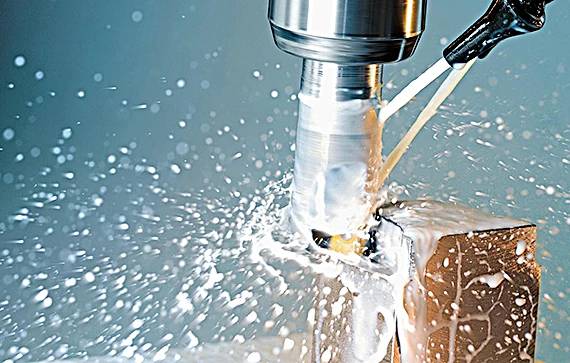
CNC coolant, also known as metalworking fluid, is a liquid continuously supplied to the contact area between the tool and the workpiece during CNC machining. Its core function is to manage the enormous heat and friction generated during cutting and to assist in chip removal, thereby ensuring a smooth, efficient, and precise machining process.
How Does a CNC Cooling System Work?
Let's analyze the working principle of a CNC cooling system in detail. A CNC cooling system can be thought of as the "circulatory system" of a machine tool. It's not a simple water sprayer, but a sophisticated, collaborative engineering system. Its core objective is to continuously, stably, and cleanly deliver coolant to the cutting point to manage heat, friction, and chips.
The entire system's working principle can be divided into the following key stages and components:
Reservoir:Stores the coolant.
Pump:Provides power to pump the coolant from the reservoir.
Pipes and Nozzles: Precisely guide the coolant to the cutting point.
Filtration System: Removes metal debris and impurities, keeping the coolant clean.
Return Flow Channel: Used coolant carries chips back to the reservoir, where it is recycled after sedimentation and filtration.
Its working principle is as follows: The pump sprays clean coolant directly through nozzles onto the high-temperature area where the high-speed rotating tool contacts the workpiece. Forced convection and evaporation remove a large amount of cutting heat, and the coolant then carries chips back to the system, where it is filtered and recycled again, forming a continuous cooling and cleaning process.
The Functions of CNC Coolant
Let's delve into the core functions of CNC coolant. It's far more than just "cooling"; it's a multi-functional engineering medium, each function directly impacting machining quality, efficiency, and cost.
Cooling: Rapidly reduces the temperature of the tool and workpiece, preventing overheating that leads to decreased tool hardness, workpiece thermal deformation, and loss of machining accuracy.
Lubrication: Forms a lubricating film between the tool's rake face and the chips, and between the tool's flank face and the workpiece, reducing friction, cutting force, and power consumption.
Shard Removal: The high-speed flow of the liquid effectively washes away metal debris generated in the machining area, preventing chips from scratching the machined surface or becoming entangled on the tool.
Corrosion Protection: Provides a protective film for machine tool guideways and workpiece surfaces, preventing rust caused by moisture and air.
Improved Surface Finish: Directly achieves a smoother, more precise workpiece surface by reducing friction and built-up edge formation.
Extended Tool Life: Significantly reduces tool wear through effective cooling and lubrication, which is key to reducing tooling costs.
Types of CNC Coolants: A Comprehensive Analysis of the Main Types of CNC Coolants. Choosing the right type is the first step in optimizing machining performance. Each type has its own characteristics and is suitable for different machining scenarios. Based on chemical composition and form, they are mainly divided into the following categories:
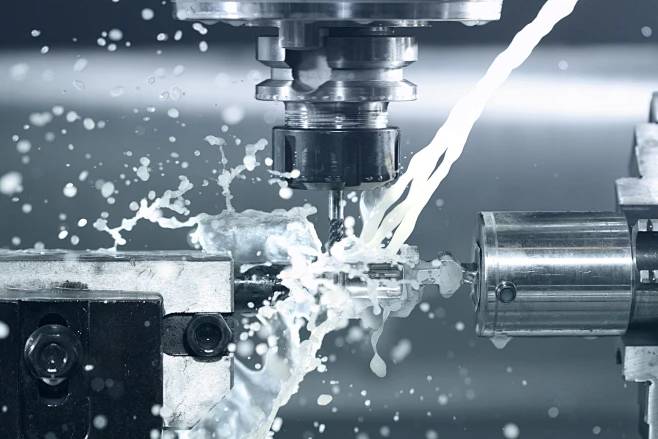
Water-soluble oil (emulsion): Composed of mineral oil, emulsifiers, and additives, it appears milky white after dilution with water. It has a good balance of lubrication and cooling and is widely used.
Synthetic coolant: Contains no mineral oil and is composed of inorganic salts and synthetic lubricants. It becomes a transparent solution after dilution with water. It has excellent cooling performance and strong resistance to spoilage, but its lubrication is usually slightly inferior to oil-based products.
Semi-synthetic coolant: A combination of synthetic fluid and water-soluble oil, it combines the cooling and stability of synthetic fluid with the lubrication of oil-based fluid, and is currently one of the mainstream choices.
Pure oil (direct oil): Used directly without dilution. It provides the best lubrication effect and is often used in low-speed, heavy-load cutting processes, such as tapping and broaching, but its cooling capacity is relatively poor.
MQL (Mini-Quantity Lubrication) coolant: A micro-volume lubrication technology that mixes a tiny amount of coolant with compressed air to form a mist, which is then sprayed onto the cutting point. It consumes virtually no liquid, is clean and environmentally friendly, but requires high precision in system and process parameters.
How to Choose the Best Coolant for Your CNC Machine Tool
Choosing the right coolant is a critical decision that requires consideration of the following factors:
Material compatibility: Machining aluminum alloys, cast iron, stainless steel, or high-temperature alloys? Different materials have different requirements for coolant lubrication, extreme pressure properties, and corrosion inhibition.
Cooling and lubrication needs: High-speed, light-load machining prioritizes cooling, so synthetic or semi-synthetic coolants should be selected; low-speed, heavy-load machining prioritizes lubrication, so semi-synthetic, emulsion, or pure oil should be selected.
Machine and tool requirements: Some machine tool manufacturers or tool suppliers may recommend specific types of coolants.
Safety considerations: Choose products with low irritation and no harmful additives (such as nitrites and formaldehyde) to ensure operator health and production safety.
Cost and maintenance: Assess initial costs and maintenance cycles. Synthetic coolants have a long lifespan but may be more expensive; emulsified coolants require careful management to prevent corrosion.
Cooling System Compatibility: Ensure the selected coolant is compatible with the seals and piping materials of your machine tool.
Troubleshooting Common CNC Machine Tool Coolant Problems
Bacterial Growth: Causes coolant to smell and deteriorate. Solution: Use high-quality biocides, maintain proper concentration, clean the coolant tank regularly, and prevent contamination with other oils.
Foaming: Affects pumping and cooling performance. Solution: Check if the concentration is too high or too low; use defoamers; avoid improper coolant mixing.
Rust: Workpieces or machine tools rust. Solution: Check if the coolant rust inhibitor concentration is insufficient, if the pH value is too low (usually needs to be maintained between 8.5-9.5), or if it has been diluted with hard water.
Coolant Deterioration: Manifests as decreased lubrication performance, smell, and discoloration. Solution: Regularly test the concentration and pH value, and replenish or replace the coolant as needed.
Storage and Handling of CNC Coolant
Store indoors, avoiding direct sunlight, rain, and extreme temperatures. Keep containers sealed to prevent contamination and moisture evaporation. Follow the "first-in, first-out" principle. When disposing of waste fluid, comply with local environmental regulations and have it disposed of by a qualified organization.
Conclusion
CNC coolant is an indispensable process element in CNC machining. Proper selection, use, and maintenance of coolant can significantly improve workpiece surface quality, extend tool and machine tool life, and fundamentally reduce overall production costs by reducing downtime and scrap rates. Treat it as a strategic investment, not a common consumable, and you will reap substantial rewards.
Frequently Asked Questions
Q: What are the main functions of CNC coolant?
A: Its main functions can be summarized into four core aspects: cooling (removing cutting heat), lubrication (reducing friction), flushing (removing chips), and rust prevention (protecting machine tools and workpieces).
Q: How do I choose the right coolant for my CNC machine tool?
A: This is a systematic process. You need to comprehensively consider the type of material being processed, the type of process (e.g., high-speed milling or low-speed tapping), machine tool manufacturer recommendations, operator safety, and maintenance costs. It is recommended to consult a professional coolant supplier or technical service personnel for a comprehensive assessment.
Q: Are there any health risks associated with CNC machine tool coolant?
A: There may be risks if the wrong coolant is selected or poorly maintained. Degraded or contaminated coolant can breed bacteria, and its aerosols can irritate the skin or respiratory tract. Therefore, it is essential to choose environmentally friendly and safe formulations, maintain good workshop ventilation, regularly monitor and maintain the coolant condition, and provide operators with necessary personal protective equipment.


